30 hours of supervision · Monthly sessions · Limited to 12
SupervisionGroup2027
A reflective space for deep learning, relational inquiry and professional growth
A year-long supervision group with Haseena Abdulla for CTA trainees, CTAs and PTSTAs who want to deepen their clinical thinking, broaden their relational capacity and develop as reflective practitioners and supervisors.

Haseena Abdulla
CTA, TSTA — Psychotherapy
Chapter 01 — The space
Supervision is more than discussing clinical work
Supervision can be a space for meta-learning—a place to think not only about what is happening in the therapeutic work, but also about ourselves, our relationships and the wider systems within which we practise.
Through an in-depth and expansive exploration of the questions participants bring, the group will reflect together on the work, the relationship and the person of the practitioner.
Together, we will create a reflective, relational and co-creative field that supports professional development, ethical practice and personal growth.
It is a space to learn, belong and contribute—where experience, theory, curiosity and practice can meet.
The group will reflect together on
- 01The therapeutic process
- 02The relationship between practitioner and client
- 03Our own responses and participation in the work
- 04The contexts and systems that shape therapeutic practice
- 05The ways in which we continue developing as practitioners and supervisors
Chapter 02 — Who it's for
Who is this supervision group for?
This group is designed for
Particularly valuable if you want to
- Deepen the way you think about therapeutic processes
- Develop greater relational awareness and capacity
- Explore your own responses within the therapeutic relationship
- Bring more attention to the wider contexts surrounding your work
- Grow into the role of a reflective supervisor
- Learn alongside an experienced professional community
- Integrate theory, embodied experience and clinical practice
Each participant contributes to the growth of the group while also being supported in their own professional development.
Chapter 03 — The approach
A relational and co-created approach to supervision
Supervision is not approached as a one-directional process in which an expert provides the correct answer.
Instead, the group becomes a collaborative field of inquiry.
Participants bring their experience, questions, uncertainty, knowledge and curiosity into the room. Through shared reflection, we make space for multiple perspectives and explore what may be happening within the practitioner, the client, the therapeutic relationship and the wider environment.
Responsibility for learning is shared. Each participant is invited to engage with their own goals while contributing to the collective learning of the group.
Chapter 04 — In the room
What happens in the group?
Together, we may:
Explore the micro and the macro
Look closely at the inner and interpersonal dimensions of therapeutic work while also considering the broader relational, organisational, cultural and systemic contexts in which the work takes place.
Work across different modes of relatedness
Explore therapeutic and supervisory work through three perspectives:
One-person perspective
Focusing primarily on the internal world, processes and experience of the client.
One-and-a-half-person relating
Bringing greater attention to interpersonal engagement while retaining a stronger focus on the client’s experience.
Two-person relating
Exploring the mutual relational process between practitioner and client—from implicit, embodied experience through to conscious reflection and open self-disclosure.
Bring present-centred experience into supervision
Pay attention to what is emerging in the here-and-now of the group and consider how it may illuminate the therapeutic or supervisory process being explored.
Use spontaneous group processes
Draw upon improvisation, creativity and what naturally emerges within the group as resources for understanding intersubjective experience.
Explore the relational “third”
Become curious about the meanings, patterns and experiences that emerge within the shared field between people—something that belongs entirely to neither person, but is created through their interaction.
Share responsibility for learning
Work with both individual and collective learning goals, recognising that every participant has something to receive and something to contribute.
Chapter 05 — Territory
What we may explore
The group may explore the forces shaping our scripts, our therapeutic work and the relationships we form, including:
The specific direction of the work will emerge from the questions, experiences and learning needs brought by the group.
Chapter 06 — Becoming
From practitioner to reflective supervisor
Developing as a supervisor involves more than acquiring additional knowledge.
It asks us to become increasingly able to hold complexity, remain curious, recognise our participation in relational processes and support another practitioner without collapsing uncertainty into a quick answer.
The group offers space to reflect on
- 01How we listen to and understand therapeutic material
- 02How we hold multiple perspectives simultaneously
- 03How our own scripts and responses enter the supervisory field
- 04How we support autonomy rather than dependency
- 05How ethical awareness informs our decisions
- 06How supervision can become a generative space for learning
- 07How experience gradually develops into professional wisdom
Chapter 07 — Community
A community of shared inquiry
Professional development does not happen in isolation.
Within a consistent group, participants have the opportunity to learn from different experiences, perspectives and ways of practising.
The group becomes a place where questions can remain open long enough to be explored, uncertainty can be thought about rather than hidden and each participant can experience both belonging and difference.
Over time, this shared inquiry can support greater therapeutic presence, ethical clarity and confidence in one’s evolving identity as a practitioner or supervisor.
Your facilitator
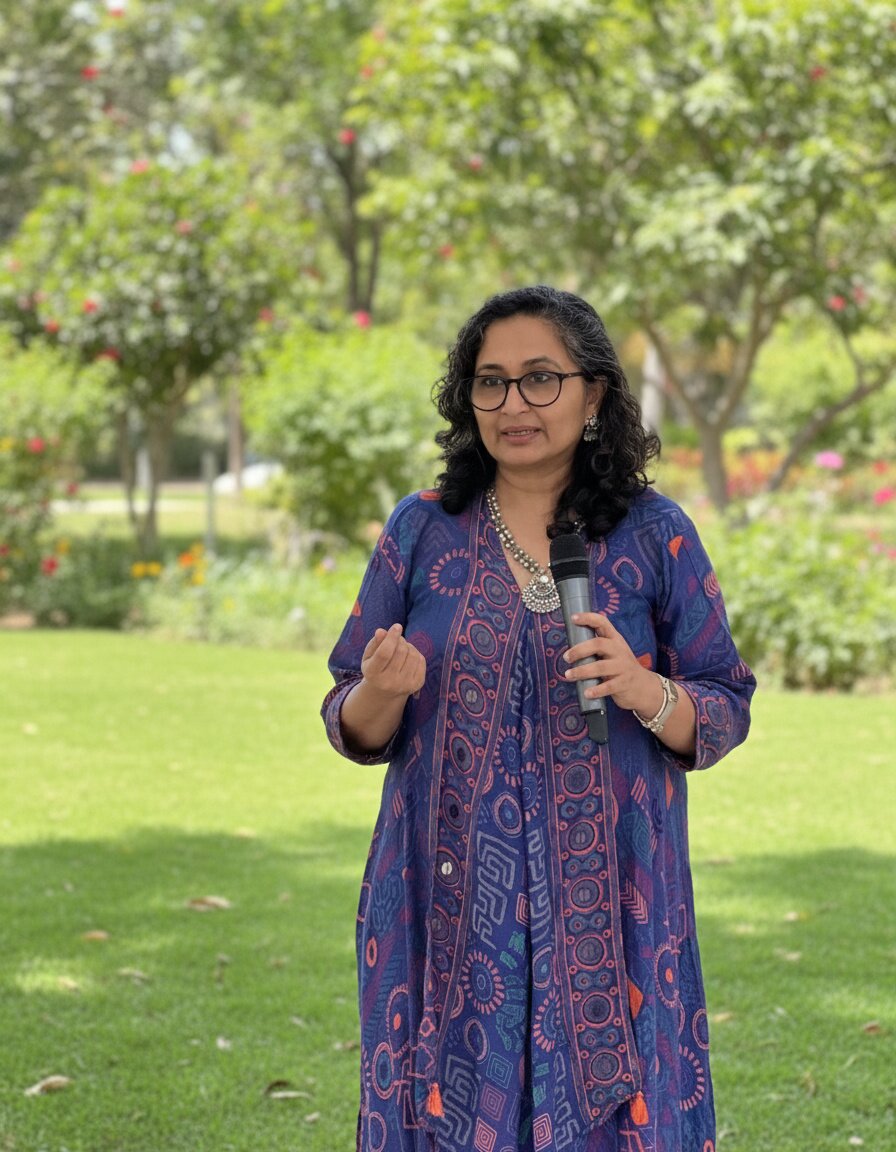
Haseena Abdulla
CTA, TSTA — Psychotherapy
Haseena facilitates supervision through a relational, intersubjective and contemporary Transactional Analysis perspective. Her approach integrates theory, embodied experience, creativity and critical reflection to support practitioners in developing greater therapeutic presence, ethical practice and supervisory competence.
With over 19 years of experience and 765+ people trained across the globe, Haseena brings together deep theoretical knowledge, extensive clinical experience and a grounded, humanistic approach to teaching and supervision. She is known for making complex psychological ideas feel simple, relatable and useful, while creating spaces that invite both intellectual understanding and personal exploration.
- Teaching and Supervising Transactional Analyst — TSTA, Psychotherapy
- Conducted 50 TA 101 workshops over the past six years
- Trained 765+ people across the globe
- Her training and work span Transactional Analysis, Gestalt, Hypnotherapy, Psychodrama and Creative Movement
- Psychodrama Director CP and PAT, trained through the Moreno Institute, Germany and Veda Drama, India
- Trained in Clinical Hypnotherapy under the late Dr Assen Alladin, then President of the International School of Clinical and Experimental Hypnosis, Calgary School of Medical Sciences, Canada
- Published author and contributor to Springer publications and the Transactional Analysis Journal
Programme
Programme details
2027 · 10 monthly sessions
Schedule
All sessions will take place online, from 10:00 AM to 1:00 PM IST.
Registration and enquiries
Interested in joining the Supervision Group?
If you would like to learn more, explore whether the group is the right fit for you or apply for a place, you can contact Haseena directly.
As the group is limited to 12 participants, you may wish to reach out early to enquire about availability.